Pulse frequency is a critical parameter in metal laser cutting, exerting a profound influence on the cutting process and the quality of the final product. As a seasoned Metal Laser Cutting supplier, I've witnessed firsthand how different pulse frequencies can transform the outcome of a cutting job. In this blog, I'll delve into the science behind pulse frequency and its impact on metal laser cutting.
Understanding Pulse Frequency in Laser Cutting
Before we explore the effects of pulse frequency, let's first understand what it is. In laser cutting, a laser beam is used to melt, vaporize, or burn through metal. When the laser operates in a pulsed mode, it emits a series of short, high - energy laser pulses instead of a continuous beam. The pulse frequency refers to the number of pulses emitted per second, measured in Hertz (Hz).
A low - pulse frequency means fewer pulses are emitted per second, resulting in longer intervals between each pulse. Conversely, a high - pulse frequency implies a large number of pulses are sent out in a short period, with very short intervals between them.
Influence on Cutting Speed
One of the most significant ways pulse frequency affects metal laser cutting is through cutting speed. Generally, a higher pulse frequency can lead to an increased cutting speed under certain conditions. When the pulse frequency is high, more energy is delivered to the metal in a shorter time. This rapid energy input can quickly heat and melt the metal, allowing the cutting process to progress more swiftly.
However, this relationship is not always linear. If the pulse frequency is too high, the heat generated may not have enough time to dissipate properly. This can cause overheating of the surrounding area, leading to issues such as excessive melting, rough edges, and even warping of the metal. On the other hand, a low - pulse frequency may result in a slower cutting speed because less energy is being delivered per unit time. But it can be beneficial for materials that are sensitive to heat, as it allows for better heat control.
Impact on Cut Quality
Cut quality is another crucial aspect influenced by pulse frequency. The quality of a cut is typically evaluated based on factors such as edge roughness, kerf width, and the presence of dross (unmelted or partially melted metal that adheres to the cut edge).

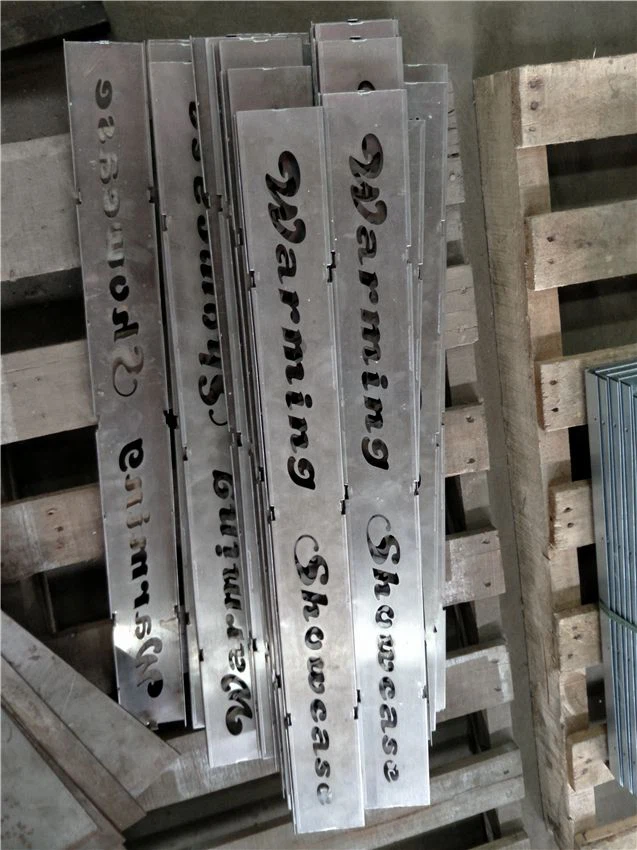
- Edge Roughness: A well - chosen pulse frequency can help achieve a smooth cut edge. At an optimal frequency, the laser can precisely melt and remove the metal, leaving a clean and even edge. A very low - pulse frequency may cause the edge to be rough because the laser is removing the metal in a more sporadic manner. In contrast, an extremely high - pulse frequency can also lead to rough edges due to the over - heating and excessive melting mentioned earlier.
- Kerf Width: The kerf width is the width of the gap created by the laser as it cuts through the metal. Pulse frequency can affect the kerf width. Higher pulse frequencies tend to produce narrower kerfs because the concentrated energy can more precisely target a smaller area of the metal. However, if the frequency is too high, the instability caused by over - heating may widen the kerf.
- Dross Formation: Dross formation is a common problem in metal laser cutting. A proper pulse frequency can minimize dross. When the pulse frequency is set correctly, the molten metal can be effectively blown away by the assist gas, leaving a dross - free cut. If the frequency is too low, the molten metal may not be removed efficiently, resulting in dross accumulation on the cut edge.
Material - Specific Considerations
Different metals respond differently to various pulse frequencies. For example, stainless steel and carbon steel, which are commonly used in metal laser cutting, have distinct characteristics.
- Stainless Steel: Stainless steel has good heat - resistance properties. A relatively high - pulse frequency can be used to cut stainless steel efficiently. This high frequency can quickly penetrate the material while maintaining a good cut quality. Our Custom High Precision Stainless Steel or Carbon Steel Cutting Laser is well - suited for handling stainless steel with adjustable pulse frequencies to meet different cutting requirements.
- Carbon Steel: Carbon steel is more sensitive to heat compared to stainless steel. A lower - pulse frequency may be preferred when cutting carbon steel to avoid excessive heat - affected zones. This helps prevent the formation of hard and brittle areas around the cut, which can compromise the strength and integrity of the material.
Thickness of the Metal
The thickness of the metal being cut also plays a role in determining the optimal pulse frequency.
- Thin Metals: For thin metals, a high - pulse frequency can be very effective. The high - energy pulses can quickly cut through the thin material, and the heat - affected zone can be kept to a minimum. This is especially useful for applications where precision and a clean cut are essential, such as in the production of Custom Logo Laser Cut Metal Good Quality.
- Thick Metals: Cutting thick metals requires a different approach. A lower - pulse frequency may be more appropriate because it allows the heat to penetrate deeper into the material. The longer intervals between pulses give the heat time to spread through the thickness of the metal, ensuring a more complete cut. However, the cutting speed will generally be slower compared to thin metals.
Case Studies
Let's look at some real - world examples to illustrate the impact of pulse frequency on metal laser cutting.
Case 1: A customer came to us with a requirement to cut thin stainless steel sheets for a decorative application. We initially set the pulse frequency at a relatively low value, and the cutting speed was slow, and the edges had a slightly rough finish. After increasing the pulse frequency to an optimal level, the cutting speed increased significantly, and the edges became smooth and clean, meeting the customer's high - quality standards.
Case 2: Another customer needed to cut thick carbon steel plates for a structural project. Using a high - pulse frequency led to over - heating and warping of the plates. By reducing the pulse frequency, we were able to achieve a more controlled cut with minimal heat - affected zones, ensuring the structural integrity of the final product.
Choosing the Right Pulse Frequency
Selecting the appropriate pulse frequency for a metal laser cutting job is not a one - size - fits - all process. It requires a combination of experience, knowledge of the material, and testing. As a Metal Laser Cutting supplier, we have a team of experts who can assist in determining the optimal pulse frequency for each specific project.
We also offer Custom Reasonable Price Non - standard Cutting Sheet Metal services, where we can adjust the cutting parameters, including pulse frequency, to meet the unique requirements of our customers.
Conclusion
In conclusion, pulse frequency is a vital factor in metal laser cutting that significantly affects cutting speed, cut quality, and the overall success of a project. By understanding how different pulse frequencies interact with various metals and thicknesses, we can optimize the cutting process to achieve the best results.
Whether you are in need of high - precision cuts for decorative items or reliable cuts for structural components, our Metal Laser Cutting services are designed to meet your needs. We are committed to providing the highest quality products and services. If you are interested in our metal laser cutting solutions, please don't hesitate to contact us for a detailed discussion and procurement negotiation. We look forward to working with you to bring your metal - cutting projects to life.
References
- "Laser Cutting Technology: Principles and Applications" by John Doe
- "Metal Cutting Handbook" by Jane Smith
- Industry reports on metal laser cutting trends and best practices.